

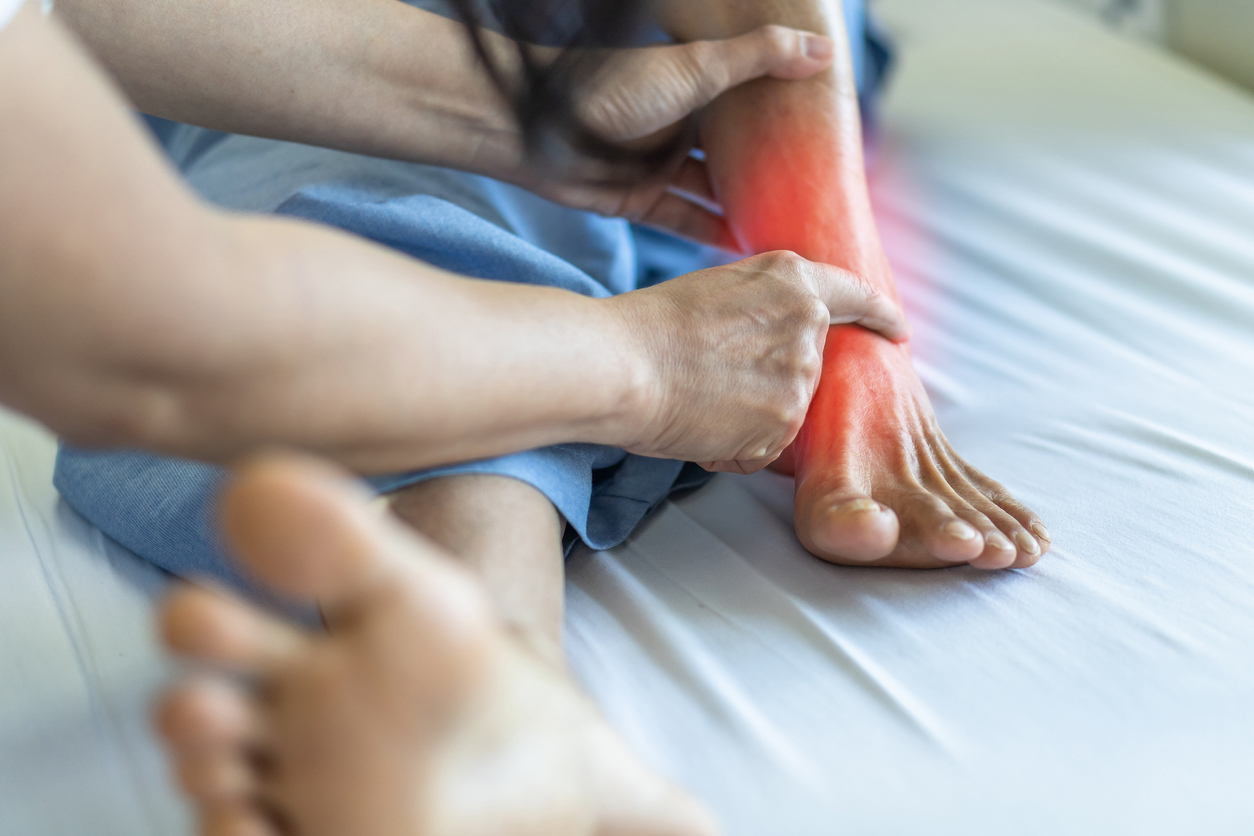
Yes, cycling can bring on shin splints. It happens less often than with running, but it happens, usually after a rider raises cadence quickly, adds hill repeats, or changes something about the bike. Shin and lower leg pain, commonly referred to as shin splints, is common among athletes, and cyclists are not immune to it.
Shin pain from cycling can range from nothing more than a nuisance to a major, debilitating issue. There are ways to both treat and prevent it, and most riders get through it with rest and a few changes to how they ride.
Can you get shin splints from cycling?
Shin splints can develop over time when the muscles, bones, and tendons in the lower leg get overworked. On a bike, that usually traces back to one of a few things:
- A jump in volume or intensity. The first warm Saturday in March in Chicagoland is a classic setup: a winter on the trainer, then 40 miles on the North Branch Trail at race pace.
- Grinding big gears. Riding too much in high gears loads the lower leg on every stroke. Spinning an easier gear at a higher cadence spreads the work out.
- Saddle height and fore-aft position. A saddle set too low or too far forward changes ankle angle and makes the shin muscles work harder to stabilize the foot.
- Cleat position and new shoes. Moving a cleat, switching pedal systems, or riding a brand-new pair of shoes changes where force goes through the foot. Riders often feel that change in the shin first.
- Toe-pointing (“ankling”) on climbs. Standing and pointing the toes down on long climbs puts extra strain on the front of the lower leg.
Not every ache in the lower leg is shin splints. Stress fractures can occur from ongoing wear and can cause chronic pain, often in one small spot that hurts when pressed. Sometimes the cause is anterior compartment syndrome, which occurs when the muscle of the lower leg swells within its sheath. Numbness, a tight or hard feeling in the front of the shin, or pain that gets worse during a ride instead of loosening up are reasons to stop and get checked.
Is biking good for shin splints?
Runners with shin splints are often told to bike while they heal. That advice makes sense, because pedaling is generally less pounding on the lower leg than running, walking, or court sports. Cycling is also low impact, so a runner can usually keep fitness while the shins settle down.
That advice lands differently for someone whose shin pain started on the bike. When the bike is the source, more riding at the same position and the same gears tends to keep the irritation going. Riders in that spot usually back off the intensity, spin easier gears, drop the hill work for a couple of weeks, and look hard at saddle height and cleat position before adding load again.
A useful rule many coaches use: pain that fades within a few minutes of an easy warm-up and does not get worse is usually tolerable. Pain that sharpens as the ride goes on, changes your pedal stroke, or lingers the next morning is a signal to stop and let it calm down.
Home treatment riders commonly use
When shin pain shows up, there are several things riders do at home:
- Ice. An ice pack for about twenty minutes at a time helps dull the pain and reduce swelling.
- Massage. Working the shin and lower leg area stimulates blood flow and can ease soreness.
- Over-the-counter anti-inflammatories. Ibuprofen is commonly used for pain and inflammation. A doctor or pharmacist can say whether it makes sense alongside other medications.
- Rest with the legs elevated. Elevating the legs while resting helps swelling go down.
- Better shoes. Shoes that support the foot matter. Multipurpose fitness shoes are usually less expensive, but cycling-specific shoes with a stiff sole spread pedal pressure more evenly across the foot. The same logic applies to sore arches after cycling, which often show up alongside shin pain.
If the pain seems excessive or continues despite home treatment, see a doctor. Serious injuries such as fractures can have occurred, even without an obvious accident.
Preventing shin pain from cycling
Stretch out the shins and lower legs prior to riding. A few minutes of easy spinning before hard efforts warms the muscles up for the stress they face.
A rider with ongoing shin pain can visit a shoe store that fits athletic footwear or ask a podiatrist or sports medicine doctor about orthotics. Orthotics provide extra cushioning and support in the areas of excess stress, and a doctor who fits them can scan the feet and recommend a shape.
Building lower leg strength helps too. Calf raises and simple lower leg stretches, done morning and evening, then built up gradually, make the lower leg better able to handle training load. Overuse pain in one joint often travels, so riders who fix a shin problem sometimes find the next complaint is a knee. Knee tendonitis in cyclists is frequently a fit problem as well.
Stop training at the onset of pain. Twinges in the shins, or anywhere else, are a signal to rest. Reducing training a bit and then building it back at a slower pace gives the body more time to recover between rides.
Generally, shin pain is not a sign of a major injury or condition. Many people have recurring shin pain over the years, especially if they do not let the lower legs recover fully after hard stress. If pain persists longer than a week or so, does not improve with home treatment, or if the lower leg is red, hot, or swollen, a doctor should look at it. Some causes of shin pain are serious, even if they are uncommon.
Shin pain that starts with a crash, not with training
There is a second kind of shin pain, and it has nothing to do with cadence or cleats. A tibia or fibula fracture, a deep bruise, or a torn muscle in the lower leg is a common result when a cyclist goes down. Some of the usual causes around Chicago and the suburbs:
- Dooring. A parked driver swings a door open into a bike lane on a street like Milwaukee Avenue or Clark Street. Illinois law prohibits opening a vehicle door into traffic when it is not reasonably safe to do so, 625 ILCS 5/11-1407. Shins, knees, and lower legs take the hit.
- Right hooks and left-turn crashes. A driver turns across a rider’s path at an intersection. The bike stops, the leg does not.
- Trail and pavement hazards. Broken pavement, an unmarked drop at a trail crossing, or a grate that catches a wheel on a bridge deck.
If you are on the ground after a crash, the evidence matters as much as the treatment: photograph the spot and the bike, get the crash report number from the responding officer, keep the damaged shoe and pedal, and get looked at even if the leg seems to be holding weight. Fractures of the lower leg are sometimes missed at first because a rider can still stand on them. Our step-by-step guide on cyclist rights after a crash, including dooring and right hooks, walks through what usually happens in the days that follow.
Illinois deadlines, generally
When a crash injury leads to a claim, timing matters. In Illinois, the general deadline to file a personal injury lawsuit is two years from the date of injury, 735 ILCS 5/13-202. If the party responsible is a city, a village, a park district, a forest preserve district, or another local public entity, the deadline is generally one year, 745 ILCS 10/8-101. That shorter window catches people off guard, because many trails and streets in the area are maintained by public bodies. Exceptions and different rules exist, including for minors, so the specific date is something to confirm with a lawyer rather than assume.
Illinois also uses modified comparative fault, 735 ILCS 5/2-1116. Being partly at fault reduces a recovery by that percentage, and being found more than 50 percent at fault bars recovery entirely. Insurers know this, which is why questions about lights, lane position, and whether a rider was wearing a helmet come up early.
When this is not a legal matter
Shin splints that come from training are a health and bike-fit question, not a claim. No one is liable for a rider raising cadence too fast or setting a saddle too low. The same goes for a minor spill with no injury and a scuffed bike; those often get sorted out directly with no lawyer involved.
Where a lawyer usually does help is when another person’s conduct caused the crash, there is a real injury with medical records behind it, and an insurance adjuster is asking for a recorded statement or floating an early number before the medical picture is clear.
The lawyers at Kass & Moses ride, and we handle bicycle crash claims for people hurt in Chicago and the surrounding suburbs. Every case is different, and results vary.
Contact Our Northbrook Bicycle Accident Law Firm
If you were injured in a bicycle accident in Northbrook, IL, or anywhere in Cook, Lake, or DuPage County, you can contact the bicycle accident lawyers at Kass & Moses Personal Injury Lawyers to schedule a free case review.
**Kass & Moses Personal Injury Lawyers **601 Skokie Blvd Suite 401 Northbrook, IL 60062 (847) 513-9582
Frequently asked questions
It depends on where the pain came from. Riders whose shin pain started on the bike usually cut back intensity, spin easier gears, and check saddle height and cleat position before adding load again. Pain that eases after an easy warm-up and does not build is generally tolerable; pain that sharpens during the ride, changes the pedal stroke, or lingers the next day is a reason to stop and see a doctor.
Runners are often told to bike while shin splints heal, because pedaling is lower impact than running and lets someone keep fitness. That works better when the bike was not the source of the problem. A doctor or physical therapist can say what load is reasonable in a given case.
Yes. A sudden jump in weekly mileage, a block of hill repeats, long stretches of big-gear grinding, or a brand-new pair of shoes can all irritate the lower leg even when the fit numbers look right. Fit is one cause among several; training load is often the bigger one.
There is no single answer, and this post is general information rather than medical advice. Many riders feel better within a week or two of backing off, icing, and adjusting position. Pain that lasts longer than that, does not respond to rest, or comes with redness, heat, or swelling should be looked at by a doctor, since stress fractures and compartment problems can look similar at first.
That is a different situation. Lower leg fractures and deep bruises are common in dooring and turning crashes. In Illinois, the general deadline to file a personal injury lawsuit is two years from the injury, 735 ILCS 5/13-202, and it is generally one year when the responsible party is a city, village, park district, or other local public entity, 745 ILCS 10/8-101. Exceptions apply, so the specific date is worth confirming with a lawyer.