
“The Biker Was Probably Speeding”: How Rider Bias Quietly Shrinks Motorcycle Claims—and How to Push Back
There’s a conversation that happens in insurance offices and jury rooms that most riders never get to hear. It goes something like this: “Well, he was on a motorcycle. He knew the risks.”
If you’ve been injured in a motorcycle crash, that quiet assumption may be the single biggest obstacle between you and fair compensation. This article explains where rider bias comes from, how it shows up in real claims, and—most importantly—what actually works to overcome it. Our goal here is simple: give you the information. What you do with it is entirely up to you.
Where the Bias Comes From
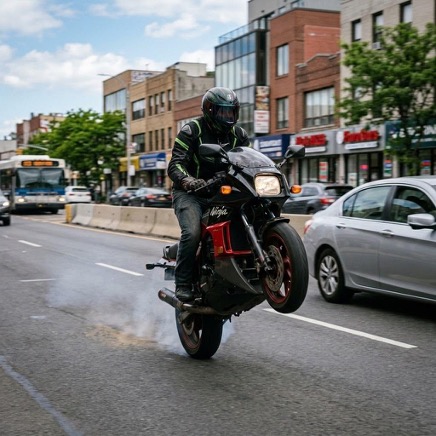
Decades of movies, news coverage, and cultural shorthand have painted motorcyclists as reckless thrill-seekers. Never mind that today’s riders include nurses, teachers, veterans, engineers, and grandparents. The stereotype persists, and it has real financial consequences.
Here’s the irony: crash data has long shown that in a large share of collisions between motorcycles and cars, the car driver is the one who violated the rider’s right of way. The most common scenario in the riding world even has a name—the “left-turn crash”—where a driver turns left across a motorcyclist’s path, often saying afterward, “I just didn’t see him.”
“I didn’t see him” is not a legal defense. Drivers have a duty to look for all traffic, including motorcycles. But bias means riders often have to prove their innocence in a way car drivers rarely do.
How Bias Shows Up in Your Claim
Rider bias isn’t usually stated out loud. It shows up in subtler ways:
1. The adjuster’s opening position. Some insurers begin motorcycle claims from an assumption of shared fault. Suddenly you’re being asked pointed questions: How fast were you going? Were you lane splitting? Was your headlight on? Were you wearing a helmet?
2. Comparative fault arguments. In most states, your compensation can be reduced by your percentage of fault. If an insurer can pin even 20–30% of the blame on you—fairly or not—they save that much money. Bias makes those arguments easier to sell.
3. Helmet and gear disputes. Depending on your state’s laws, insurers may argue that not wearing a helmet (or certain gear) should reduce your recovery—sometimes even for injuries a helmet wouldn’t have prevented, like a broken leg.
4. Jury perception. If a case goes to trial, some jurors walk in with assumptions about “bikers.” Experienced trial attorneys plan for this from day one, not the week before trial.

What Actually Overcomes Bias: Evidence, Not Arguments
You can’t argue someone out of a stereotype. You can bury it under facts. The claims that get taken seriously—and paid fairly—are the ones built on documentation:
- Scene evidence. Photos of skid marks, debris fields, vehicle resting positions, and sight lines. These physical facts often contradict a driver’s “he came out of nowhere” story.
- Independent witnesses. A neutral third party who says “the car turned right in front of him” is worth more than a hundred adjuster phone calls.
- Electronic data. Many newer vehicles record speed and braking data. Traffic and doorbell cameras capture more crashes than people realize—but that footage is often deleted within days or weeks unless someone requests it.
- Accident reconstruction. In serious cases, a reconstruction expert can use physics—impact angles, crush damage, throw distance—to establish speeds and fault objectively.
- Your own credibility. Consistent medical treatment, honest statements, and a clean, well-documented timeline make you a witness that’s hard to discredit.
Notice a theme? Almost all of this evidence is easiest to gather early. The single biggest advantage injured riders give away is time.
A Word About Your Own Statements
Because bias means your words get extra scrutiny, be thoughtful about what you say and to whom:
- Avoid giving a recorded statement to the other driver’s insurer without advice.
- Be careful on social media. A photo of you smiling at a family barbecue can be twisted into “he can’t be that hurt.” Adjusters do look.
- Never guess or speculate about speeds, distances, or fault. “I don’t know” is a complete and honest answer.
Do You Need a Lawyer to Fight Bias?
Not always. If your injuries were minor and fault is undisputed, you may resolve things fine on your own.
But bias tends to do its worst damage in exactly the cases where the stakes are highest—serious injuries, disputed fault, or a lowball offer that “feels off.” In those situations, having someone who has handled motorcycle cases specifically (not just car accidents) tends to change the conversation. Insurers evaluate claims differently when they know the person on the other side understands riding, understands the common crash scenarios, and is prepared to go the distance if needed.
If you’re wondering which category your situation falls into, that’s exactly what a free consultation is for. You’ll get an honest assessment—including, sometimes, “you can handle this one yourself.” We’d rather earn your trust with a straight answer than win a client with a sales pitch.
The Takeaway
Rider bias is real, but it isn’t destiny. The riders who get treated fairly are the ones who document everything, guard their words, get consistent medical care, and refuse to be rushed.
If you’d like an experienced set of eyes on your claim—no cost, no obligation, no pressure—Kass & Moses, PC is a phone call away at 1-800-Motorcycle or 847-513-9582. Ask us anything. The consultation is free, and so is the honesty.
This article is for general information only and is not legal advice. Laws on helmets, comparative fault, and claim deadlines vary by state. For guidance on your specific situation, consult a licensed attorney in your area.
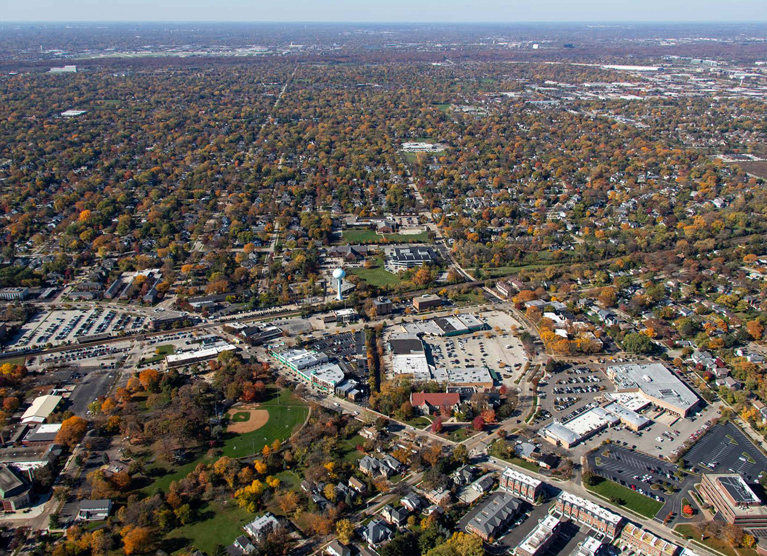
We proudly serve clients throughout Northbrook, Lake County, IL, and nearby areas, including Waukegan, Gurnee, North Chicago, Highland Park, Round Lake Beach, Zion, Grayslake, Libertyville, Lake Zurich, Lake Forest, Antioch, Highwood, Mettawa, Mundelein, Vernon Hills, Round Lake, Lindenhurst, and Beach Park.
Kass & Moses Personal Injury Lawyers
601 Skokie Blvd Suite 401
Northbrook, IL 60062
(847) 513-9582