
“I Never Saw the Motorcycle”: Left-Turn Crashes, Serious Injuries, and What Fair Compensation Really Looks Like
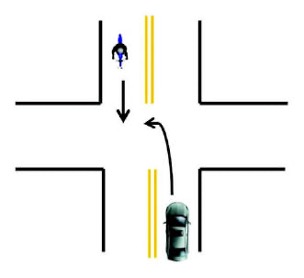
Ask any group of experienced riders about their closest call, and you’ll hear the same story again and again: a car waiting to turn left, a moment of eye contact (or so it seemed), and then the vehicle pulling directly across their path. Left-turn collisions are among the most common—and most devastating—crashes riders face.
If this has happened to you or someone you love, this article covers three things: why these crashes happen, why the injuries are often more serious than they first appear, and how to think clearly about what your claim is actually worth before anyone pressures you to settle.
We wrote this to be useful whether or not you ever pick up the phone. Take what helps.
Why Left-Turn Crashes Keep Happening
The typical scenario: a driver waiting to turn left at an intersection scans for oncoming traffic, “clears” the lane, and turns—directly into a motorcyclist who had the right of way. Afterward, the driver almost always says some version of “I never saw him.”
There are real, well-studied reasons for this:
- Motorcycles present a smaller visual profile than cars, making them harder to detect and easy to lose against a busy background.
- Drivers misjudge motorcycle speed and distance. A smaller object is perceived as farther away and moving slower than it actually is.
- “Inattentional blindness.” Drivers scanning for cars can look directly at a motorcycle and not register it, because their brain isn’t searching for that shape.
Distraction. A driver glancing at a phone at the wrong half-second misses the rider entirely.
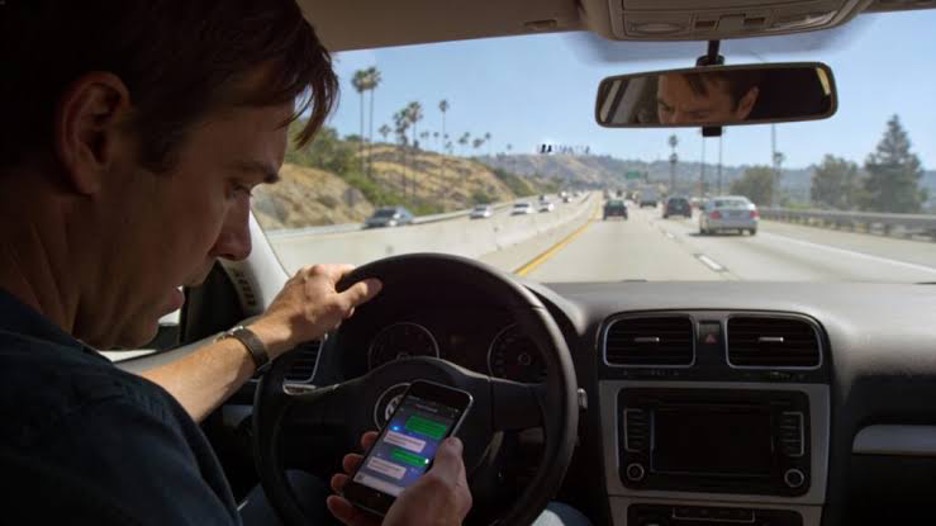
Here’s the legal reality: none of these explanations excuse the driver. A turning driver must yield to oncoming traffic. “I didn’t see him” describes the failure—it doesn’t defend it.
Why the Injuries Run Deeper Than the First Diagnosis
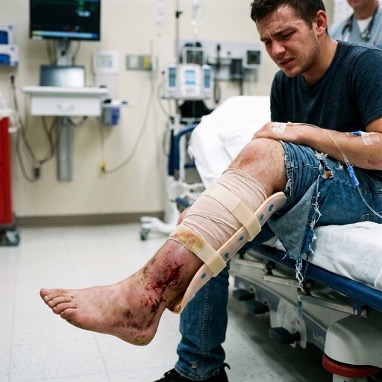
In a left-turn crash, the rider typically has almost no time to react and strikes the vehicle broadside, or lays the bike down at speed. There’s no crumple zone, no airbag, no seatbelt. The human body absorbs physics. Common injuries include broken legs, ankles, and wrists; road rash that requires skin grafting; shoulder and collarbone fractures; spinal injuries; internal injuries; and traumatic brain injuries—which can occur even with an excellent helmet.
Two medical realities deserve special attention:
1. Some injuries reveal themselves slowly. Concussion symptoms, soft-tissue damage, and nerve injuries may not fully show up for days or weeks. This is one of the strongest reasons not to accept an early settlement: you can’t put a fair number on injuries you haven’t finished discovering.
2. Some injuries never fully resolve. Hardware in a leg, chronic pain, reduced range of motion, cognitive changes—these affect your work, your family life, and yes, your riding, for years. A fair settlement accounts for the future, not just the bills already on the table.
What “Fair Compensation” Actually Includes
Insurance companies would love for you to think a claim equals your ER bill plus your bike’s book value. In reality, a properly built injury claim typically accounts for:
- All medical expenses—past and reasonably expected future care, including surgeries, rehab, and equipment
- Lost income—both the paychecks you’ve already missed and any long-term reduction in your ability to earn
- Property losses—your motorcycle, plus helmet, jacket, boots, and other gear (quality gear isn’t cheap, and it’s claimable)
- Pain and suffering—the physical pain and the daily toll of recovery
- Loss of enjoyment of life—including, for many of our clients, the loss of riding itself, which is not a small thing
- Permanent impairment or scarring
There’s no universal formula, and anyone who quotes you a number in the first phone call is guessing. What matters is that every category gets counted—because whatever isn’t in the settlement comes out of your pocket for the rest of your life.
The Settlement Timing Trap
After a serious crash, money pressure is real: medical bills arrive, paychecks stop, and the insurer’s early offer starts to look tempting. That’s not an accident. Early offers are designed to resolve claims before the full picture of your injuries and losses is known.
A signed release is permanent. If you settle for $25,000 and later need a $60,000 surgery related to the crash, there is no reopening the claim.
The better path is usually to wait until you reach what doctors call maximum medical improvement—the point where your condition has stabilized and future needs can be reasonably estimated. Only then can anyone honestly say what your claim is worth. (Meanwhile, be aware that every state has a filing deadline—a statute of limitations—so “wait for clarity” should never become “wait forever.”)
Where a Conversation Might Help
You may not need a lawyer. But left-turn cases often involve disputed fault (“he was speeding!”), serious injuries, and future medical needs—three factors that consistently separate the claims that settle fairly from the ones that don’t.
A free consultation costs you nothing and commits you to nothing. You’ll walk away understanding what your claim likely includes, what evidence needs preserving, and what deadlines apply in your state. If it turns out you don’t need us, we’ll tell you that too.
When you’re ready—if you’re ever ready— Kass & Moses, P is at 1-800-Motorcycle or 847-513-9582. Until then, heal up, keep every medical appointment, and don’t sign anything you’re not sure about.
This article is for general information only and is not legal advice. Laws and deadlines vary by state. For guidance on your specific situation, consult a licensed attorney in your area.
We proudly serve clients throughout Northbrook, Lake County, IL, and nearby areas, including Waukegan, Gurnee, North Chicago, Highland Park, Round Lake Beach, Zion, Grayslake, Libertyville, Lake Zurich, Lake Forest, Antioch, Highwood, Mettawa, Mundelein, Vernon Hills, Round Lake, Lindenhurst, and Beach Park.
Kass & Moses Personal Injury Lawyers
601 Skokie Blvd Suite 401
Northbrook, IL 60062
(847) 513-9582