

Property damage occurs when someone’s negligence, recklessness, or intentional conduct causes harm to your personal or real property. While many people associate property damage claims with car accidents, these claims arise in a wide range of situations, from home damage to commercial losses.
Understanding how property damage claims work can help protect your rights and recover the compensation you deserve.
What Is Considered Property Damage?
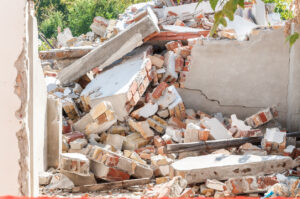
Property damage refers to physical harm or destruction of property that reduces its value, usability, or safety.
Property may include:
- Motor vehicles
- Homes and buildings
- Personal belongings (electronics, furniture, tools, etc.)
- Business property and equipment
- Landscaping, fences, and exterior structures
Property damage can result from accidents, natural disasters, construction errors, defective products, vandalism, or unsafe conditions. In legal terms, a property damage claim seeks compensation to repair, replace, or reimburse the value of the damaged property.
Common Causes of Property Damage Claims
Property damage claims arise in many everyday scenarios, including:
- Motor Vehicle Accidents: Car, truck, and motorcycle accidents are among the most common sources of property damage claims. These claims typically cover vehicle repair or replacement, towing, and rental car expenses.
- Negligent Property Maintenance: Landlords, property owners, or businesses may be liable if poor maintenance causes damage to another person’s property, such as water leaks, falling debris, or electrical fires.
- Construction and Contractor Negligence: Improper construction, excavation, or renovation work can lead to structural damage, flooding, or foundation issues affecting nearby property.
- Product Defects: Defective appliances, batteries, or electrical components can cause fires or other damage to homes and personal property.
- Weather-Related Incidents: Storms, flooding, and wind damage may involve insurance claims, third-party liability, or disputes over coverage.
No matter the cause, property damage claims often involve complex questions of liability, insurance coverage, and valuation.
How Property Damage Claims Work
Property damage claims are often handled through insurance, but they may also involve legal action against a responsible party.
The process generally includes:
- Documenting the Damage: Photos, videos, repair estimates, receipts, and proof of ownership are critical. Documentation helps establish the extent and value of the damage.
- Identifying Liability: Determining who caused the damage is key. This may involve another driver, a contractor, a property owner, or a manufacturer.
- Filing an Insurance Claim: Claims may be filed with your own insurer, the at-fault party’s insurer, or both. Insurers often conduct inspections and request estimates.
- Negotiation or Dispute Resolution: Insurance companies may undervalue claims or deny responsibility. Negotiation or legal representation may be necessary to pursue full compensation.
- Litigation, If Necessary: If a fair settlement cannot be reached, a property damage lawsuit may be filed to recover losses.
While this process may seem straightforward, delays, disputes, and denials are common at nearly every stage.
What Compensation Is Available in a Property Damage Claim?
The goal of a property damage claim is to make you “whole” again financially.
Depending on the circumstances, compensation may include:
- Cost of repairs
- Replacement value of destroyed property
- Diminished value (especially for vehicles)
- Loss of use (rental cars or temporary housing)
- Towing and storage fees
- Business interruption losses
- Debris removal and cleanup costs
In some cases involving intentional or reckless conduct, additional damages may be available.
Actual Cash Value vs. Replacement Cost
One common issue in property damage claims is how the property’s value is calculated.
- Actual Cash Value (ACV) accounts for depreciation and reflects the item’s value at the time of loss.
- Replacement Cost Value (RCV) equals the cost to replace the property with a similar new item, without depreciation.
Insurance policies and state laws determine which valuation method applies, and disputes over valuation are common.
Property Damage and Personal Injury Claims
Property damage claims often occur alongside personal injury claims, particularly in vehicle accidents. While related, these claims are legally separate. Property damage claims usually resolve faster, while injury claims may take longer due to medical treatment and long-term health issues.
Property damage claims and personal injury claims are distinct but often address overlapping issues. Understanding this distinction can help prevent unintentional waiver of rights.
Challenges in Property Damage Claims
Property damage claims may seem straightforward, but disputes frequently arise over:
- Fault and liability
- Extent of damage
- Repair estimates
- Diminished value
- Insurance coverage exclusions
- Delays or bad-faith insurance practices
Insurance companies are businesses focused on minimizing payouts. When disagreements occur, legal guidance can help ensure your claim is taken seriously.
Protecting Your Property Damage Claim
To strengthen your claim, consider taking the following steps:
- Report the damage promptly.
- Preserve evidence and damaged items.
- Obtain multiple repair estimates.
- Avoid recorded statements without legal advice.
- Keep copies of all communications and expenses.
Being proactive can significantly impact the outcome of your claim.
Contact a Northbrook Personal Injury Lawyer at Kass & Moses Personal Injury Lawyers for a Free Consultation
Property damage can disrupt your life and finances, and insurance coverage is not always enough to fully compensate you. If your property was damaged due to someone else’s negligence, you may have legal options beyond what an insurer offers.
Contact a Northbrook personal injury lawyer at (847) 513-9582 of Kass & Moses Personal Injury Lawyers today for a free consultation, and learn how we can help protect your rights and pursue fair compensation.