

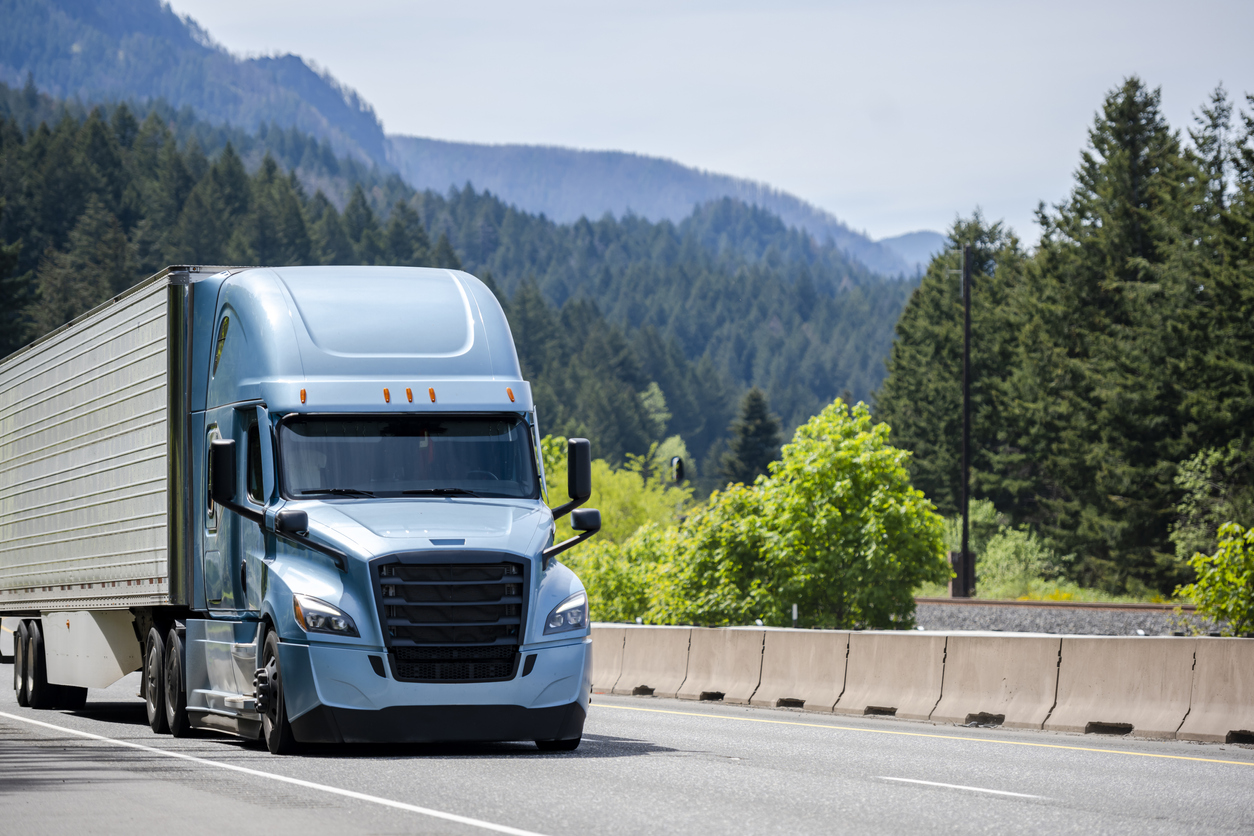
Lake County is situated on the border of Wisconsin and along Interstate 94. It’s at the heart of one of the busiest freight corridors in the Midwest, meaning that heavy truck traffic is a daily part of life in this area. For this reason, a truck accident lawyer is often essential when serious collisions occur.
When a truck crash occurs, the distinction between interstate and intrastate trucking matters. It affects accident investigation. It may also determine the insurance coverage available to pay for damages.
What Is Interstate Trucking?
Interstate trucking involves moving goods across state lines. It may also involve a trip that begins or ends in another state or country. A trip could still be interstate even if the truck never physically crosses the border. What matters is that the shipment is part of a larger out-of-state journey.
For example, a truck is hauling freight from a Waukegan warehouse to a Chicago distribution center. This may constitute interstate commerce if the goods originated from Wisconsin or are in transit to another state.
The FMCSA regulates interstate trucking companies and drivers through federal regulations. FMCsA rules cover vehicle inspection, maintenance, driver qualifications, hours-of-service limits, and other relevant topics.
What Is Intrastate Trucking?
Intrastate trucking refers to a carrier that operates exclusively within Illinois. They haul freight that begins and ends inside the state. Imagine a local company that delivers building materials from a yard in Lake County, serving jobsites in neighboring suburbs. This is intrastate trucking.
Intrastate carriers are not unregulated. Illinois law adopts many of the same federal safety rules for intrastate truckers. The state has incorporated key parts of the FMCSA rules that govern hours of service, maintenance, and safe operation. Carriers must comply with Illinois Commerce Commission rules. These govern operating authority, registration, and fitness to operate.
Why the Distinction Matters After a Truck Crash
The difference between interstate and intrastate trucking can be confusing, but it’s important to understand. After a crash, the regulations in effect in each circumstance can be key to establishing liability. Interstate carriers usually face stricter requirements than intrastate carriers.
A trucker could be in compliance with intrastate rules but in violation of interstate regulations. Determining which regulations apply becomes crucial if you have been seriously hurt.
Knowing Which Safety Regulations Apply
Interstate carriers are always subject to FMCSA safety rules. Intrastate carriers must follow Illinois’ adopted safety regulations. In practice, both sets of rules are similar. There may be differences in exemptions or record-keeping that matter when proving negligence.
Availability of Insurance Coverage
Interstate motor carriers must meet federal minimum insurance requirements. This can be as high as $750,000 to $5 million in liability coverage, depending on the type of cargo and vehicle. Minimum insurance requirements are often higher for interstate carriers than intrastate carriers.
Knowing what kind of carrier is involved helps identify all potential insurance policies.
Potential Defendants
Interstate trucking often involves many companies such as:
- Motor carrier
- Freight broker
- Shipper
- Logistics company
Intrastate operations may involve fewer parties. Owner-operators, leasing companies, and local contractors may be involved.
Understanding how the trip was structured can reveal parties who may be liable for the crash. This may mean additional sources of compensation.
How to Tell if a Truck Trip Was Interstate or Intrastate
From the scene of the crash, you cannot always tell whether a truck is engaged in interstate commerce. However, there may be some clues. USDOT (United States Department of Transportation) and MC (Motor Carrier) numbers on the cab may indicate that the truck is an interstate carrier regulated by FMCSA. Strictly local branding can sometimes suggest intrastate operations.
Ultimately, though, confirmation of the truck’s status comes from paperwork and electronic records. This includes bills of lading, dispatch instructions, GPS data, and delivery confirmations. This evidence can show whether the load was part of an interstate shipment.
Contact Our Lake County Truck Accident Lawyers at Kass & Moses Personal Injury Lawyers for a Free Consultation
Whether a truck is operating interstate or intrastate, its size and weight pose a serious risk to other drivers. You can reduce your chances of a crash by giving trucks plenty of space and avoiding blind spots. Never cut in front of a large truck or brake suddenly after merging.
If you ned help after a truck crash, call our Lake County truck accident lawyers at Kass & Moses Personal Injury Lawyers for a free consultation.
For more information, contact an experienced personal injury lawyer at Kass & Moses Personal Injury Lawyers to schedule a free consultation.
We proudly serve clients throughout Northbrook, Lake County, IL, and nearby areas, including Waukegan, Gurnee, North Chicago, Highland Park, Round Lake Beach, Zion, Grayslake, Libertyville, Lake Zurich, Lake Forest, Antioch, Highwood, Mettawa, Mundelein, Vernon Hills, Round Lake, Lindenhurst, and Beach Park.
Kass & Moses Personal Injury Lawyers
601 Skokie Blvd Suite 401
Northbrook, IL 60062
(847) 513-9582